
Accessory Dwelling Units (ADUs) have gained popularity over the past decade due to a combination of factors, including rising housing costs, increased demand for home living space, and the potential for rental income. If you have been considering adding an ADU to your property, you must decide whether to add an attached or detached unit. Today, we will dive into the pros and cons of each option to help you determine which type best fits your long-term goals.
Attached ADU vs. Detached ADU
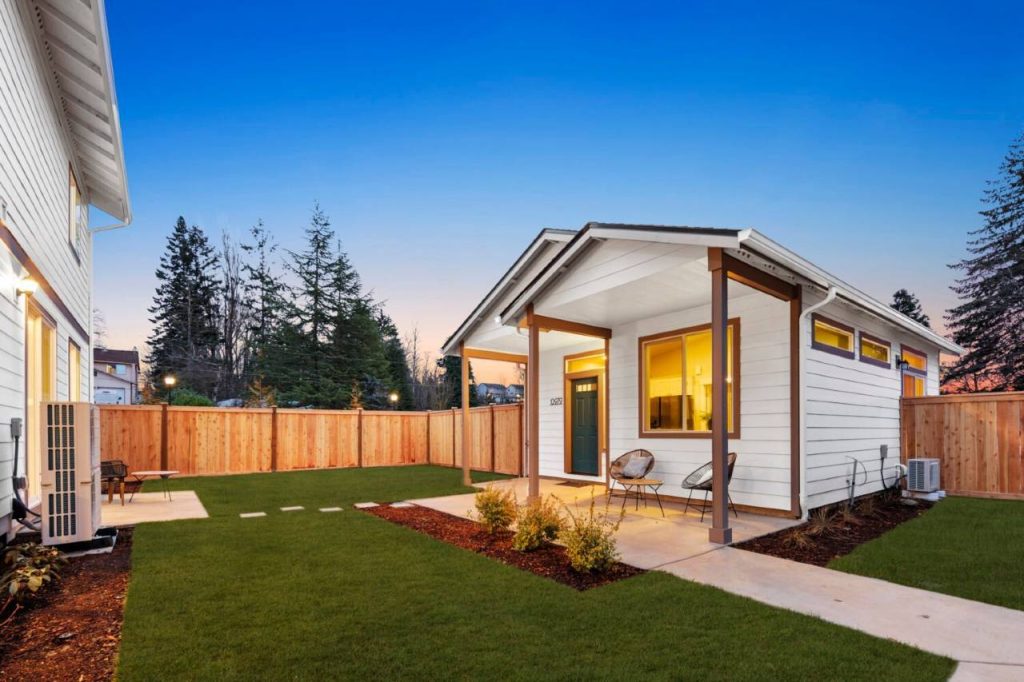
Attached ADUs are directly connected to the primary residence and share at least one wall. An attached ADU could be added to the existing primary residence structure, or it could be created by converting an existing space, such as a garage or basement.
Detached ADUs, on the other hand, are standalone units that are completely separate from the primary residence. They are essentially a separate mini-home, with their own utilities and greater privacy.
Comparing Costs and Construction of ADUs
When determining whether attached or detached ADUs are the right choice for your property, the first factor to consider is construction cost.
Construction Considerations for Attached ADUs
Attached units are often the more cost-effective option for establishing an ADU on your property. For example, if you were to convert a garage or basement, the costs would typically be lower than for new construction, especially if the space is already wired and piped properly.
Similarly, adding new construction to an existing home is often less expensive than building an entirely new unit. Again, you can take advantage of existing walls, lighting, and plumbing to lower your costs.
However, this is not always the case. When working with an existing structure, unexpected issues can arise, such as outdated wiring or code compliance issues. Homes with older construction are more likely to face these challenges, so we suggest evaluating your property and considering a home inspection before locking in a decision.
Construction Considerations for Detached ADUs
Construction costs for detached ADUs are typically higher than for attached units, but they are also more predictable. Since you are working with 100% new construction, you will have a clear understanding of your pricing with a much lower chance of unexpected costs. This allows for better budgeting and project planning.
Essentially, you are building a mini home on your property. This will include the structure itself, utilities, and any other amenities, such as a walkway. Of course, detached ADUs do require more space, and you will need to consider factors such as property setbacks, building separation, and unit access.
Other Considerations for ADUs
In addition to these contrasting factors, local zoning laws and property size influence what’s possible for both attached and detached ADUs. For example, those with small property sizes may only be able to have an attached ADU. Alternatively, those with large property sizes may be limited by what they can construct under their septic regulations.
At JLS Consulting and Contracting, our team understands Tri-Cities zoning rules and ADU requirements, so your project moves forward without unexpected delays.
Lifestyle and Use Considerations
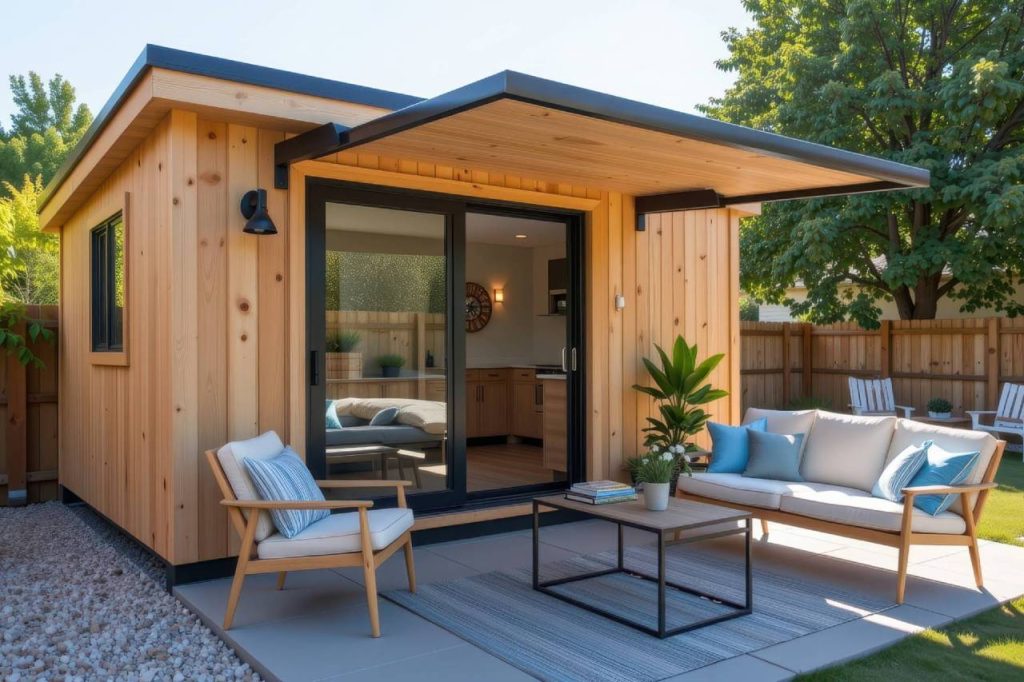
When weighing the pros and cons of attached versus detached ADUs, it is vital to consider how you plan to use the extra space.
Multi-Generational Living
Attached ADUs are often the preferred choice for families looking to expand their home’s functionality. For example, if they want to create a separate yet connected living space for family members. This could be to welcome aging parents into a multi-generational living scenario, or it could be a junior-style suite for a teenager or young adult as they transition into adulthood and require greater independence and privacy.
Home Offices & Workshops
For families looking for a separate home office or workspace, both attached and detached ADUs can offer unique benefits. Attached ADUs can be a separate yet still attached part of the home where remote workers can focus during the workday.
On the other hand, detached ADUs are also a viable option, especially for workers who require a high level of privacy, those who create noise, or those who need specific working conditions that would be unfavorable to add to a home. For example, this could apply to artists, craftsmen, writers, musicians, trainers, and more.
Extra Rental Income
For homeowners looking to generate extra income by renting out an ADU, detached ADUs are often the preferred option. The separation between the main residence and the rental allows tenants to enjoy independent living without interfering with the homeowner’s daily life. This added privacy makes it more appealing for both homeowners and renters. Plus, detached ADUs command higher rental rates than attached or converted units. Tenants are willing to pay more for added privacy, private entrances, and dedicated outdoor space.
Boosted Property Value
Lastly, for homeowners looking to add long-term value to their property, detached ADUs often have a greater return on investment than attached units. Detached ADUs offer greater design and layout flexibility, allowing homeowners to customize the structure to complement their property’s style and add value to the property as a whole. Additionally, the flexible use of space can be modified to different uses, which is more appealing to buyers who may have a different vision for the space.
Attached ADU vs. Detached ADU: Pros and Cons Summary
| Factor | Attached ADU | Detached ADU |
| Cost | ✅ Lower overall cost, especially when converting existing spaces like garages or basements.⚠️ Potential for hidden expenses due to older wiring, plumbing, or code updates. | ✅ More predictable budgeting since it’s 100% new construction with fewer surprises.⚠️ Higher upfront construction cost due to new build requirements. |
| Privacy | ✅ Great for multi-generational living or family use. ⚠️ Less privacy since it shares walls and proximity with the main home. | ✅ Superior privacy with a separate structure.Ideal for rentals, guests, or quiet workspaces. |
| Resale Value | ✅ Adds livable square footage and increases overall property functionality.⚠️ Less flexible for resale since it’s attached to the main home. | ✅ Higher long-term resale potential due to flexible use. ✅ Attractive to future buyers for added independence and versatility. |
| Space Requirements | ✅ Ideal for smaller properties with limited yard space.⚠️ May require reconfiguring existing rooms or garage areas. | ✅ Offers design flexibility to complement your home’s architecture.⚠️ Requires more land and adherence to setback and access regulations. |
| Lifestyle Fit | ✅ Perfect for families who want connected living for aging parents or young adults.⚠️ Limited separation may affect tenant appeal. | ✅ Best for renters or professionals seeking independence and quiet.✅ Ideal for homeowners seeking income opportunities or long-term ROI. |
Why Work with JLS Consulting and Contracting
At the end of the day, both attached and detached ADUs can add tremendous value. The right choice depends on your specific property layout, budget, and long-term goals. For homeowners in Eastern Washington interested in building an ADU for extra space, family living, or income potential, we at JLS Consulting and Contracting are here to assist.
Our full-service approach means we handle every step of the process, from design to permitting to construction. You don’t have to coordinate multiple contractors or navigate confusing city codes on your own. Open communication, upfront costs, and respect for your time and investment guide our process. You can rest easy that we will complete your project right.
Thinking about building an ADU? Contact JLS Consulting and Contracting today to explore your options and find out whether a detached or attached ADU is the right fit for your property.